




In Construction, Anchor Points and Lifelines are a common way to work at height - and a common source of falls when they are misused. This guide explains how Construction teams in Ireland use Anchor Points and Lifelines safely, and why a Working at Heights Course ties it all together.
Anchor Points and Lifelines in Construction: where the risk lies
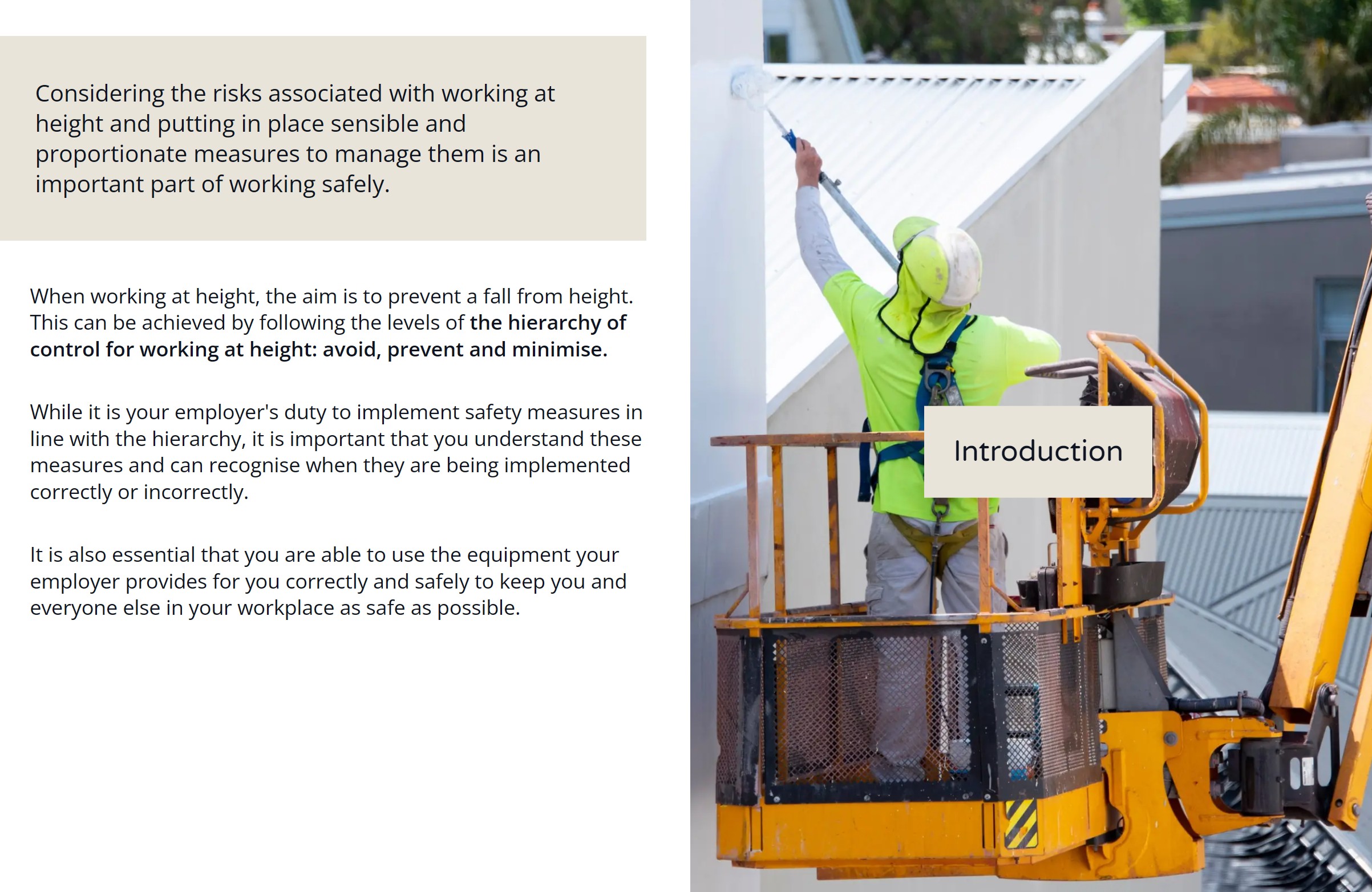
A two-storey block where roofers, blocklayers and a MEWP operator all work above ground on the same day, each needing their own safe system of work. Anchor Points and Lifelines are suited to providing a secure attachment for restraint or arrest systems on roofs, structures and access routes, but in a Construction setting the margin for error is small.
Pre-use checks for Anchor Points and Lifelines
Before any Construction worker uses Anchor Points and Lifelines, confirm that:
- The system is in date for inspection
- The anchor is certified and rated for the load
- The connector is compatible and locked
- Fixings and structure are sound
The relevant standard here is EN 795 (anchor devices), installed and certified by a competent person and inspected regularly.
Common Anchor Points and Lifelines faults to never ignore
- No inspection record
- Insufficient fall clearance
- Incompatible connectors
- Corroded or loose fixings
Construction sites also fall under the Safety, Health and Welfare at Work (Construction) Regulations 2013, with the PSCS coordinating work-at-height between contractors. Safe Pass covers site access but is not a Working at Heights ticket.
The Working at Heights Course makes compliance simple
The practical fix is straightforward. Our Working at Heights Course is delivered fully online, takes about 45 minutes, and issues a downloadable certificate the same day. It is CPD certified, RoSPA approved and QQI aligned, and it is written specifically for Construction teams using Anchor Points and Lifelines.
The Working at Heights Training covers the avoid-prevent-minimise hierarchy, ladder and stepladder safety, MEWPs and scaffolds, harnesses and anchor points, and how to carry out a proper risk assessment. Every learner finishes with a recognised Working at Heights Certificate that stands up to HSA inspection and supports your insurance position.
Training that goes beyond the tick-box
Competence is not the same as experience. A worker who has used ladders for twenty years can still carry twenty years of bad habits. Refresher training matters for Anchor Points and Lifelines in Construction precisely because confidence drifts away from the rules over time, and a quick refresher resets it.
Falls from height remain one of the leading causes of serious and fatal workplace injury in Ireland, year after year. The pattern is depressingly consistent for Anchor Points and Lifelines in Construction: a short task, a familiar setting, a ladder or platform that seemed fine, and a single moment of overreach. Proper training breaks that pattern by making the safe choice the automatic one.
Frequently asked questions
Do Construction workers need training to use Anchor Points and Lifelines?
Yes. Safe use of Anchor Points and Lifelines is part of working at height. A Working at Heights Course covers selection, inspection and safe use for Construction tasks.
How often should Anchor Points and Lifelines be inspected?
Before every use by the operator, plus formal recorded inspections to the relevant standard. Keep the logs for HSA inspection.
Is online training enough for Construction height work?
Our online Working at Heights Training covers the legal and safe-system knowledge; equipment-specific practical tickets (such as IPAF or PASMA) are added where the task requires them.
Get certified today
Do not wait for an HSA inspection or a near miss to act. Construction teams can complete the Working at Heights Course online in 45 minutes and download a certificate the same day. For 10 or more learners, see our team training rates, or contact our team for a tailored quote.
Start the online Working at Heights Training now and put a recognised certificate in every worker's file before the next job at height begins.