





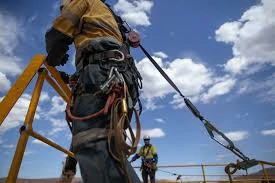
Driving Safety Forward: How Effective Working at Heights Training Prevented an Accident
In high-risk industries, the safety of employees working at heights is paramount. Proper training is not just a regulatory requirement; it is a critical component in accident prevention and workplace safety. This blog post dives into a compelling case study that illustrates how effective Working at Heights training can save lives and prevent serious injuries.
The Importance of Working at Heights Training
According to recent statistics, falls from heights account for a significant percentage of workplace fatalities. Nearly 30% of all workplace-related deaths are due to falls, highlighting the urgent need for comprehensive safety training.
Implementing a detailed Working at Heights Safety Course is crucial for workers who operate at elevated positions. The training ensures that employees are well-equipped with the knowledge and skills necessary to recognize hazards and use safety equipment effectively.
Case Study: Preventing an Accident at a Construction Site
At a construction site in Dublin, a significant accident was narrowly avoided, thanks to the stringent implementation of Certified Working at Heights Training conducted just weeks prior. The scenario involved a worker who was required to install roofing panels at a height of 20 feet.
Pre-Training Risks
Initially, the site had a high potential for falls due to poorly maintained scaffolding and inadequate safety railing. The risk assessment conducted before the training session was critical in identifying these issues. The following factors were highlighted:
- Inadequate fall protection: The absence of proper safety gear like harnesses.
- The environmental factors: Weather conditions that could contribute to slips.
- Improper tool usage: Some tools lacked stability when used at heights.
Training Implementation
The Working at Heights Course covered essential components like:
- Risk identification and assessment
- Proper use of personal protective equipment (PPE)
- Emergency preparedness and evacuation protocols
After the training, workers were required to practice the safe use of harnesses and conduct regular inspections of scaffolding.
The Incident: A Training Moment in Action
During the incident, the worker ascended to perform the installation. Midway, a sudden gust of wind caught him off guard, causing him to lose balance. However, due to his training, he instinctively reached for the safety harness, which was securely fastened. The quick-thinking actions prevented a potential fall and injury.
The Aftermath: Evaluating Success
This incident demonstrated how vital it is for workers to receive structured Working at Heights training. The training not only provided the skills needed to safely perform their tasks but also instilled confidence in using safety equipment under unexpected circumstances.
Post-incident evaluations showed a marked decrease in near-misses and a significant improvement in safety compliance among all site workers:
- 70% reduction in recorded near-misses related to falls.
- Increased awareness of safety practices among 100% of the team.
Statistics on Safety Training Impact
The success of this case echoes findings from various studies indicating that workplaces with strong safety training programs notice:
- A 30-50% drop in accident rates.
- Improved employee morale and productivity.
Conclusion: The Need for Continuous Training
While this case study showcases the remarkable impact of Working at Heights training, continuous education and retraining are crucial to maintaining high safety standards. Businesses must prioritize regular assessments and training refreshers to ensure that employees remain vigilant and prepared.
If your organization is looking to enhance safety compliance, invest in a reputable Working at Heights Course Online tailored to your team's needs. For information on course offerings and to secure your employees’ safety, visit Ireland Safety Training or contact us at [email protected].