





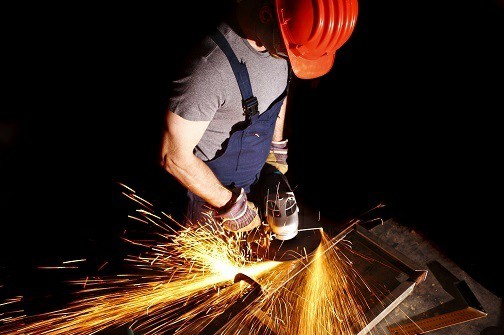
Essential Safety Risks of Abrasive Wheels and the Impact of Proper Training
Abrasive wheels are critical tools in various industries, from manufacturing to construction. However, their misuse can lead to severe injuries and accidents. Understanding the safety risks associated with abrasive wheels is essential for ensuring a safe workplace. In this blog post, we will delve into the common hazards, the significance of proper training, and compelling real-life case studies that demonstrate how effective training can save lives.
Common Safety Risks Associated with Abrasive Wheels
The use of abrasive wheels introduces several hazards, including:
- Wheel Breakage: Abrasive wheels can shatter if they are defective, worn out, or overloaded, creating flying fragments that can cause severe injuries.
- Improper Mounting: Incorrectly mounted wheels can become unstable during operation, posing high risks of breakage and personal injury.
- Equipment Misuse: Many accidents occur when operators use abrasive wheels for tasks they are not designed for, such as cutting metal with a wheel intended for grinding.
- Lack of Protective Equipment: Not wearing appropriate personal protective equipment (PPE) like goggles, gloves, and face shields increases the likelihood of injury in the event of an accident.
The Importance of Proper Abrasive Wheels Training
Training is a crucial component of workplace safety involving abrasive wheels. Proper training equips operators with the knowledge to identify hazards, understand the correct usage of equipment, and adhere to safety protocols. Here’s how effective abrasive wheels training can mitigate risks:
- Hazard Awareness: Training helps participants recognize potential hazards associated with abrasive wheel operation, enabling proactive risk management.
- Correct Usage: Operators learn how to properly mount, align, and operate abrasive wheels, significantly reducing the chances of misuse.
- PPE Utilization: Knowledge of appropriate protective gear is emphasized, ensuring that all operators are adequately protected during operations.
- Emergency Procedures: Training often includes emergency response protocols, preparing workers to act effectively should an accident occur.
Best Practices for Mitigating Risks
To enhance safety during operations involving abrasive wheels, businesses should implement the following best practices:
- Conduct Regular Risk Assessments: Regular evaluations of workplace practices can identify potential hazards and necessary improvements.
- Implement Safety Inspections: Routine inspections of abrasive wheel equipment can help identify wear and tear before they pose hazards.
- Encourage Reporting: Foster a culture where employees feel empowered to report potential hazards or unsafe conditions without fear.
- Offer Certified Abrasive Wheels Training: Invest in comprehensive abrasive wheels training programs, like the Abrasive Wheels Course, to ensure compliance and safety.
Real-Life Case Studies of Accidents Prevented by Training
Several real-life incidents illustrate the importance of proper training when using abrasive wheels:
- Case Study 1: In a manufacturing plant in Dublin, a worker was seriously injured due to a wheel breaking during operation. However, after implementing a thorough Abrasive Wheels Certification program, the use of PPE and correct mounting procedures drastically reduced similar incidents.
- Case Study 2: A construction worker in Cork experienced a near-miss incident when an improperly mounted wheel dislodged. This prompted the management to enroll all operators in an Abrasive Wheels Safety Course, resulting in enhanced operator competence and safety procedures.
- Case Study 3: Following a series of scratches caused by defective wheels in Galway, a company decided to provide their employees with a Certified Abrasive Wheels Training. This led to the identification of worn-out tools before use, thus preventing potential accidents.
Conclusion
The risks associated with abrasive wheels are significant, but the damage they can cause is preventable. Proper training equips operators with the skills and knowledge to handle these tools safely. The importance of participating in courses like the Abrasive Wheels Course Online cannot be overstated. Investing in training not only protects workers but also enhances workplace productivity and morale.
Don't wait for an accident to happen; take proactive steps to improve safety. Enroll in an Abrasive Wheels Certification Dublin program today! For inquiries, reach out to us at [email protected].