




The Critical Importance of First Aid Training and CPR Certification for Workplace Safety
In an unpredictable world, the ability to respond effectively to emergencies in the workplace can make all the difference. First Aid training and CPR certification are crucial components of workplace safety and emergency preparedness. This blog will delve into the multitude of benefits associated with completing a First Aid Course, highlight the importance of CPR techniques, and explain how these certifications empower employees and ensure compliance with health regulations.
Understanding First Aid Training and CPR Certification
First Aid training involves teaching individuals how to provide immediate care for injuries and illnesses until professional medical help arrives, while CPR (Cardiopulmonary Resuscitation) certification equips them with life-saving techniques to assist someone suffering from cardiac arrest or respiratory issues. Together, these certifications form the backbone of a proactive approach to workplace safety.
The Benefits of First Aid Training
- Enhanced Employee Safety: Trained employees are better prepared to address injuries and emergencies, reducing the risk of complications.
- Regulatory Compliance: Many organizations are required by law to have trained personnel on-site. Compliance with these workplace health & safety regulations mitigates potential legal issues.
- Improved Workplace Morale: Employees feel safer knowing their colleagues are trained to handle emergencies, leading to a more positive workplace environment.
- Rapid Response to Emergencies: In emergencies, every second counts. Employees with proper training can take immediate action, potentially saving lives.
Essential First Aid Skills Every Employee Should Learn
Comprehensive First Aid training covers a range of skills that are vital in the workplace:
- Recognizing and managing common workplace injuries such as cuts, sprains, and fractures.
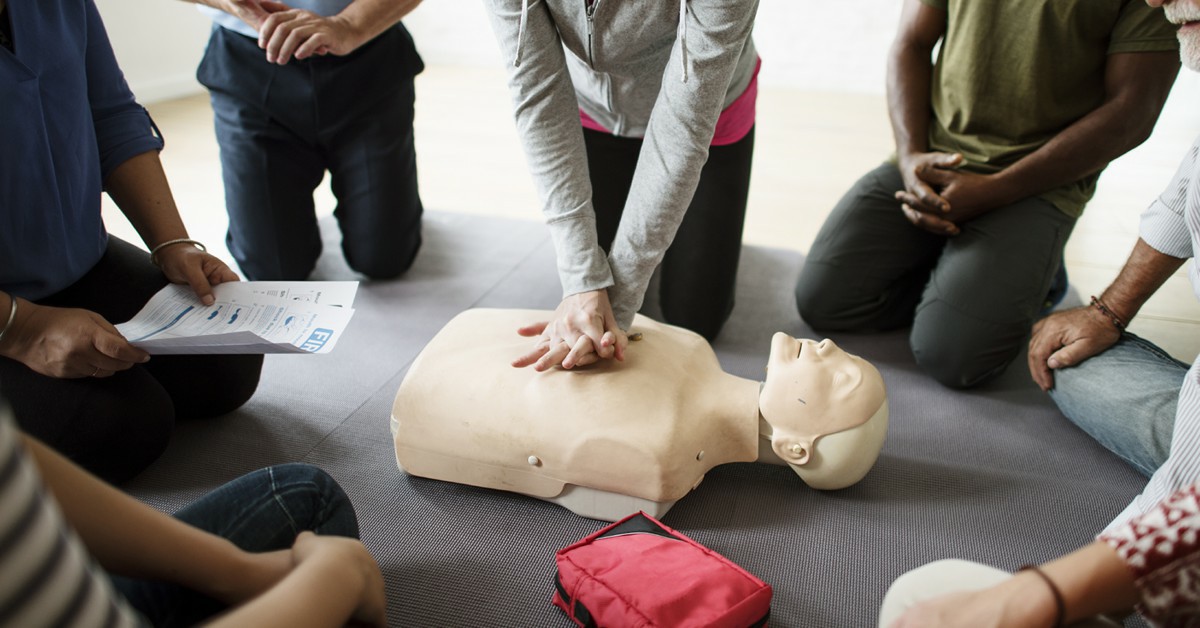
- Performing CPR and using an Automated External Defibrillator (AED).
- Responding to allergic reactions, choking incidents, and other medical emergencies.
- Maintaining first aid supplies and knowing when to seek professional help.
Understanding CPR: Life-Saving Techniques Every Employee Should Know
CPR is a critical skill that can save lives in emergencies. Key elements include:
- Compressions: Proper hand placement and compression depth can maintain blood flow to vital organs.
- Rescue Breaths: Understanding how to provide effective rescue breaths is essential for certain situations.
- Using an AED: Most workplaces are equipped with an AED. Knowing how to operate it increases the chances of survival during a cardiac emergency.
Regulatory Compliance and Workplace First Aid Requirements
Many businesses have workplace first aid requirements dictated by local health and safety regulations. Workplaces with certain hazards or a specific number of employees must have trained first aid responders on-site, fulfilling compliance mandates is essential to avoid penalties and ensure safety for all.
Benefits of First Aid Certification for Businesses and Employees
Having a certified First Aid & CPR trained workforce can lead to numerous advantages:
- Reduced Workplace Injuries: Proper training can prevent injuries from worsening and promote faster recovery.
- Increased Employee Confidence: Training ensures that employees feel capable and knowledgeable, boosting morale and empowerment.
- Financial Savings: Reduced workplace injuries mean fewer insurance claims and lower premiums.
Emergency First Aid Procedures: Step-by-Step Guidelines
It is vital for employees to know the steps to take in an emergency situation. Quick references can include the following:
- Ensure the scene is safe.
- Assess the victim's condition and call for help if necessary.
- Provide first aid according to the training received.
- Document the incident for legal and health records.
Choosing the Right First Aid Course: Online vs. In-Person Training
When selecting a First Aid Course for your team, consider the format that best meets your needs:
- Online Courses: Flexible and can be done at individual convenience, ideal for remote teams.
- In-Person Training: Provides hands-on practice and immediate feedback from instructors, enhancing learning.
Final Call to Action
Investing in First Aid training and CPR certification is investing in the health and safety of your workplace. To equip your employees with essential emergency response skills, enroll them in a certified First Aid & CPR training course today! For inquiries, reach out to us at [email protected].