




Roofing work in Drogheda, Louth regularly puts people above ground level, and that means a Working at Heights Course is not optional - it is the law. This guide is for Roofing employers and workers in Drogheda who want to stay safe, stay compliant and keep working without an HSA stoppage.
Working at Heights risks in Drogheda Roofing
A re-slating job on a pitched domestic roof in winter, where one slip on a frosted slate can be fatal without edge protection and a rescue plan. In a Drogheda setting, the most common ways Roofing workers are hurt at height include:
- Falls from the roof edge or eaves
- Slips on wet, mossy or frosted surfaces
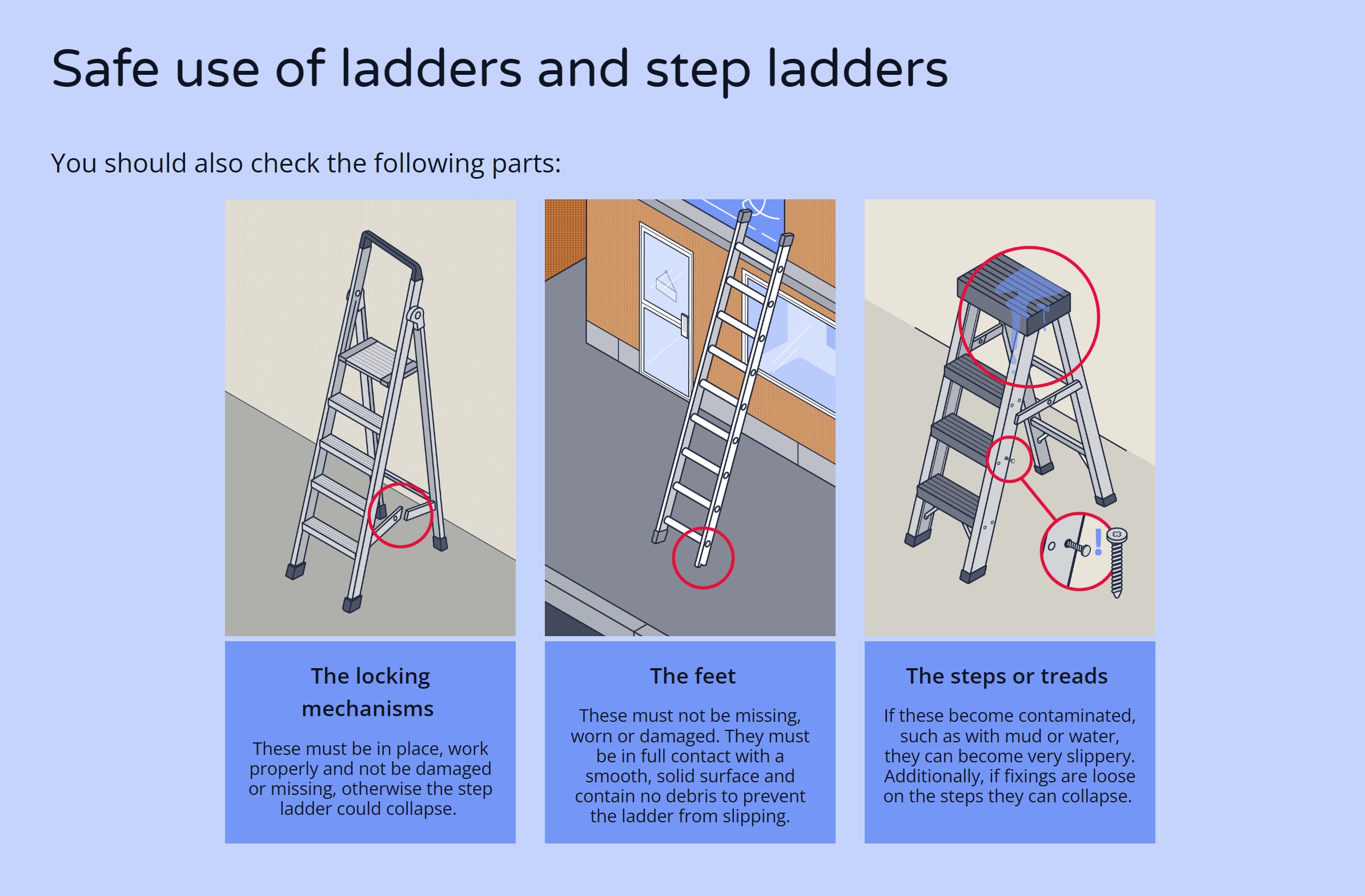
- Unsafe ladder access to the roof
- Being blown off-balance in coastal Irish wind
Equipment Roofing teams in Drogheda rely on
Safe Roofing height work in Drogheda usually depends on the right access equipment, including roof ladders and crawl boards, fall-arrest harnesses with anchor points, edge protection and scaffolding and MEWPs for eaves and gutter work. Each must be inspected before use and matched to the task, never improvised.
Fragile-roof work is one of the HSA's top fatal-fall causes. Crawl boards, perimeter protection and a documented rescue plan are expected before anyone steps onto the roof.
The Drogheda Roofing compliance checklist
- Assess every Roofing task at height and record it
- Provide and inspect suitable access equipment
- Certify every worker with a Working at Heights Course
- Plan rescue before work starts
- Keep training and inspection records for the HSA
The Working at Heights Course makes compliance simple
You do not need a classroom or a lost work day to fix this. Our Working at Heights Course is delivered fully online, takes about 45 minutes, and issues a downloadable certificate the same day. It is CPD certified, RoSPA approved and QQI aligned, and it is written specifically for Roofing teams in Drogheda and across Louth.
The Working at Heights Training covers the avoid-prevent-minimise hierarchy, ladder and stepladder safety, MEWPs and scaffolds, harnesses and anchor points, and how to carry out a proper risk assessment. Every learner finishes with a recognised Working at Heights Certificate that stands up to HSA inspection and supports your insurance position.
Training that goes beyond the tick-box
Supervision is the quiet control that holds everything together. Even a perfectly trained worker drifts under time pressure, so someone on site needs the knowledge and the authority to stop unsafe work involving Roofing work in Drogheda before it becomes an incident. That only happens when supervisors are trained too.
The most expensive mistake employers make with Roofing work in Drogheda is treating training as a box-ticking exercise. The Health and Safety Authority does not just want a certificate on file; it wants evidence that the worker understood the avoid-prevent-minimise hierarchy and applied it on the day. A genuine Working at Heights Course builds that understanding, which is exactly why our online programme uses real scenarios rather than slides.
Frequently asked questions
Do Roofing workers in Drogheda legally need height training?
Yes. Any Roofing worker in Drogheda who could fall a distance liable to cause injury must be trained. A Working at Heights Certificate is the cleanest proof.
Is the Roofing height course online?
Yes. Our online Working at Heights Training suits Roofing teams in Drogheda who cannot lose a day to a classroom, and it issues a same-day certificate.
How often should Drogheda Roofing workers refresh?
Every 3 years is recommended, or sooner after an incident or role change. A quick refresher keeps your Drogheda Roofing crew current.
Get certified today
Do not wait for an HSA inspection or a near miss to act. Roofing employers and workers in Drogheda can complete the Working at Heights Course online in 45 minutes and download a certificate the same day. For 10 or more learners, see our team training rates, or contact our team for a tailored quote.
Start the online Working at Heights Training now and put a recognised certificate in every worker's file before the next job at height begins.